UMBRASTUDIO

Fine Art Prints — Museum-Grade Limited Editions

Fine art is not a marketing claim. It is a technical condition, a material standard and, at its best, an ethical commitment by those who make things to the permanence of what they make. At Umbra Studio, the term defines the boundaries of what we print: the paper we use, the technique we demand, the way we edit and the number of impressions we allow into the world.

These pages are not a catalogue of decorative prints. They are a record of closed editions built to last — prints with verifiable scarcity, documented provenance and the material integrity that serious collecting requires. If you are looking for something that outlasts a season and means more than a room accessory, you are in the right place.
What Fine Art Means in Contemporary Collecting

The term “fine art prints” in the context of contemporary printmaking describes a set of technical and editorial conditions that distinguish collectible work from decorative reproduction. It is not solely about paper or ink: it is about the sum of decisions that transform an image into an object with verifiable history, documented longevity and genuine scarcity.

The difference between a collectible print and a quality poster is, at its core, a difference of intent. Fine art printed on archival paper, in a closed edition, with a certificate and hand numbering, responds to a logic of permanence. The poster responds to a logic of decoration. Both have their market. Umbra Studio operates in the first.

From Etching to Giclée: an Honest Lineage

The limited edition print did not begin with digital technology. The engraving — the copper plate, the woodblock, the lithographic stone of Goya and Daumier — was a limited edition by physical necessity: the matrix degrades with each impression. Scarcity was real because the medium imposed its own constraints.

Giclée printing on cotton rag paper is the continuation of that tradition by contemporary means. There is no matrix degradation, but there is a deliberate decision to cap the edition before the first impression and to honour that cap after the last. It is a self-imposed restriction that defines the work’s position within the collecting market.

Why the Material Support Determines Value

An image printed on standard cellulose paper deteriorates, yellows and loses physical integrity over years, not decades. The secondary art market has understood this for centuries: works that hold or increase their value are, consistently, those combining certified material quality with documented scarcity.

The support is not a peripheral technical detail: it is the argument for permanence. When we speak of museum-quality fine art prints, we speak of cotton rag papers, archival pigment inks and production conditions that no print-on-demand service can replicate.

The Hahnemühle Photo Rag 308gsm Standard

Umbra Studio prints exclusively on Hahnemühle Photo Rag 308gsm, a 100% cotton paper, acid-free, lignin-free, with ISO 9706 certification for museum archival use and FSC certification for responsible sourcing.

At 308gsm, the paper has immediate physical presence: it holds the work without yielding, receives pigment ink with an absorption that amplifies the image’s tonal range, and ages with the same dignity as the cotton rag papers of original eighteenth-century engravings. That is not hyperbole: it is the same material category, in a contemporary form.

Specifications the Collector Should Know

  • Composition: 100% cotton rag (no wood pulp, no optical brighteners)
  • Weight: 308gsm
  • Surface: natural matte, fine-textured — deepens pure black, preserves white
  • pH: neutral to slightly alkaline, stabilises pigment over time
  • Certified permanence: ISO 9706, documented lifespan exceeding 100 years under museum conditions
  • Environmental certifications: FSC · Cradle to Cradle

Hahnemühle Photo Rag is the reference paper in the fine art departments of leading
European and North American institutions. It is not a brand preference:
it is the choice made by the institution when the permanence of the work is non-negotiable.

What Changes When the Paper Is Right

Most buyers of art do not think about paper. Collectors do. A cotton rag paper retains colour without shifting for decades under everyday exposure; a standard cellulose paper begins to deteriorate within years. The differences are invisible in the short term and irreversible over time.

When an Umbra Studio work reaches you, the paper is not the container of the image: it is a constitutive part of the work itself. The texture, the weight, the way light falls across the surface and the way black settles without glare are qualities no screen can reproduce and no inferior paper can imitate.

The Edition of 9: a Commitment, Not a Strategy

Every work in the Umbra Studio catalogue exists in exactly nine impressions in the world. Not eight. Not ten. Not nine plus a studio reserve. The [closed edition of 9] is a decision made before the first print and permanent after the last. When the ninth impression leaves the studio, the work ceases to be printed. Permanently.

This restriction is simultaneously an aesthetic position and a guarantee for the collector. A number this small makes scarcity verifiable: anyone can count to nine.

Why 9 and Not 50

Larger editions — 50, 100, 500 impressions — are common in the market for quality art reproduction and have full legitimacy in that context. Umbra Studio operates in a different space: editions small enough that scarcity is real, documented and irreversible.

Nine is a number any collector can visualise. The buyer of impression 1/9 knows that only eight other people in the world hold the same work. That equation of scarcity cannot be faked with an edition of 500 numbered to 500.

Numbering as Document, Not Decoration

Each impression is hand-numbered in the lower margin of the paper, with the fraction of its position within the total edition: 1/9, 2/9, 3/9. This number, visible on the paper and repeated in the certificate of authenticity, establishes the unique identity of the impression within the closed edition.

It is not an aesthetic gesture inherited from the tradition of the engraving, though it is also that. It is, above all, a documentary act: it fixes the position of the object within the closed set of the edition and binds it irrevocably to its certificate.

Certificate of Authenticity and Provenance

Every Umbra Studio print is delivered with a certificate of authenticity that permanently documents the complete identity of the impression:

  • Title of the work and the collection it belongs to
  • Impression number and total edition size (9)
  • Support: Hahnemühle Photo Rag 308gsm
  • Technique: archival pigment giclée
  • Dimensions of the printed work
  • Year of creation and date of printing
  • Studio signature

What the Certificate Certifies — and What It Does Not

A necessary clarification, because in the art market honesty is rare and here it is practised by design: the Umbra Studio certificate authenticates the physical object it accompanies — the numbered impression, printed on Hahnemühle, signed — and does not assert exclusivity over the source digital file nor any rights over the underlying image.

The collector receives an exceptional material object, produced in an irreversibly closed edition, with all the provenance documentation that object requires. No more. No less.

Provenance as a Long-Term Collecting Asset

In the art market, provenance — the verifiable documentary history of a work: who made it, when, in what edition, with what materials, through whose hands it has passed — is an asset that travels with the work and shapes its position in the secondary market.

Works with documented provenance hold value better when they change hands, are easier to insure, simpler to loan to institutions and straightforward to include in estate or patrimony inventories. The certificate is not bureaucracy: it is the work’s passport into the future.

AI as Medium: Umbra Studio's Position

The works in the Umbra Studio catalogue are generated using artificial intelligence tools — Midjourney, Nano Banana — through an iterative process of concept development, curatorial selection and visual refinement that may extend over several weeks before a single image is considered for edition.

We choose transparency about this process because we believe the informed collector is the best collector — and because honesty about the medium does not diminish the work: it contextualises it accurately.

The artificial intelligence is the medium. The Hahnemühle paper is the support. The edition of 9 is the guarantee of scarcity. Curation is the criterion of selection. And the sum of decisions that runs from concept to impression — the collection name, the narrative that frames it, the hundreds of iterations discarded before the final image — constitutes the creative process that defines each work.

Umbra Studio does not sell “AI-generated art” as a category of mass consumption. It offers fine art editions built to the same standards of material quality, documented scarcity and provenance transparency it would apply to any printed work in the contemporary collecting market.

Active Collections

The Umbra Studio catalogue is organised into themed collections. Each collection takes its name from a Latin, Greek or other classical root, and is built around a visual and philosophical concept developed before the first image is made. Current active collections:

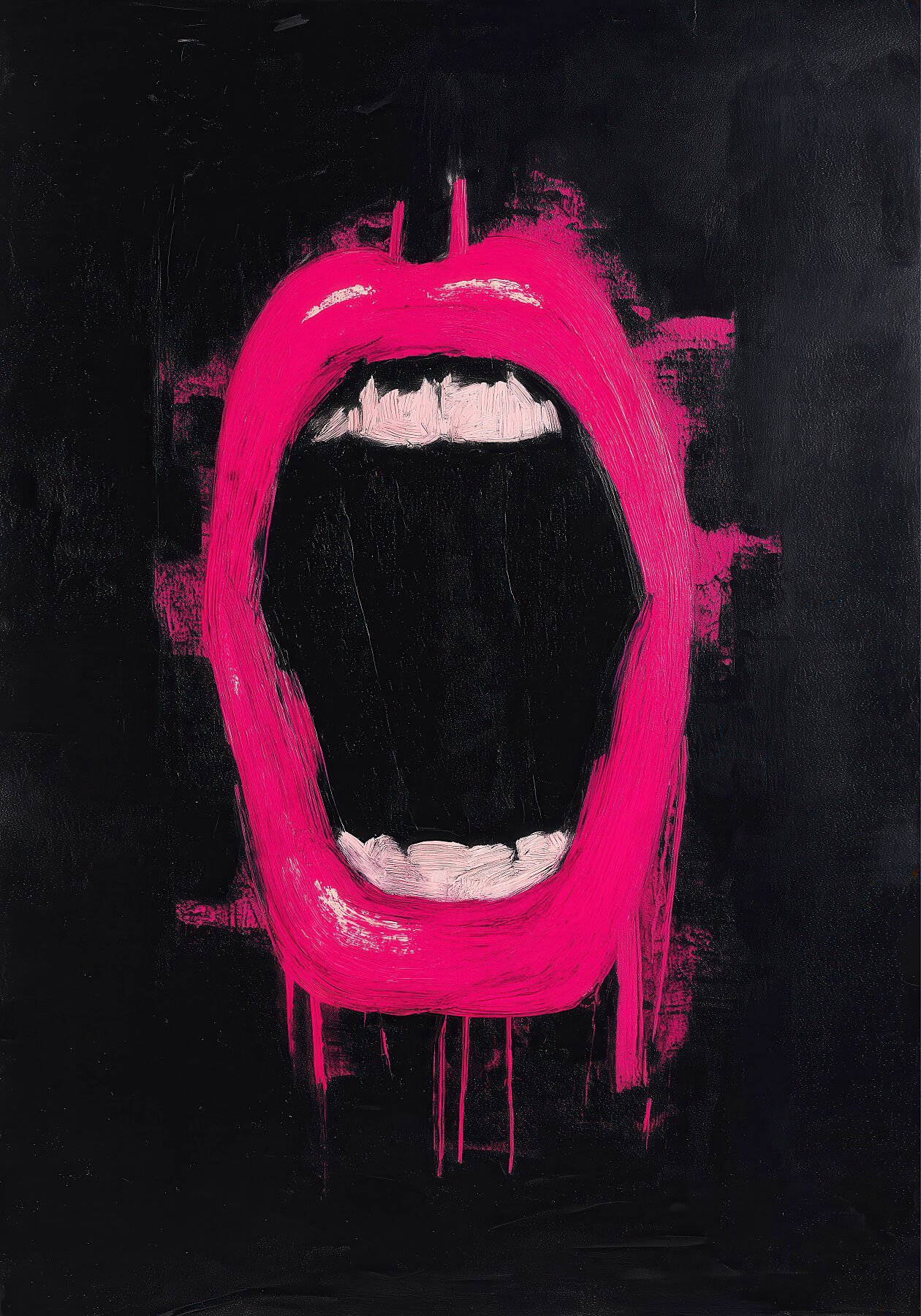
GALDR | ABYSSOS · Umbra Studio arte expresionista simbólico edición limitada
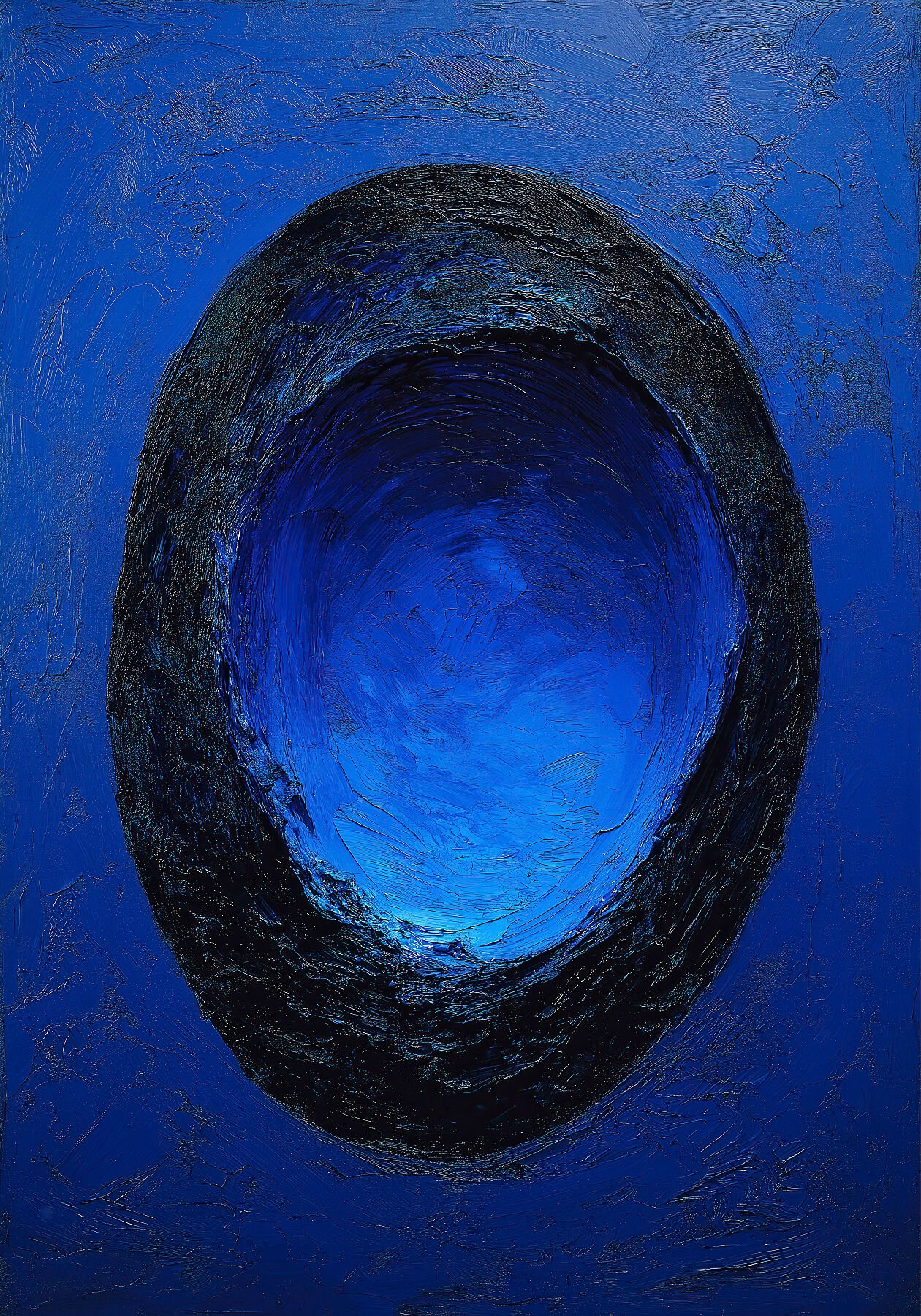
NUN | ABYSSOS · Umbra Studio obra de arte expresionista edición limitada
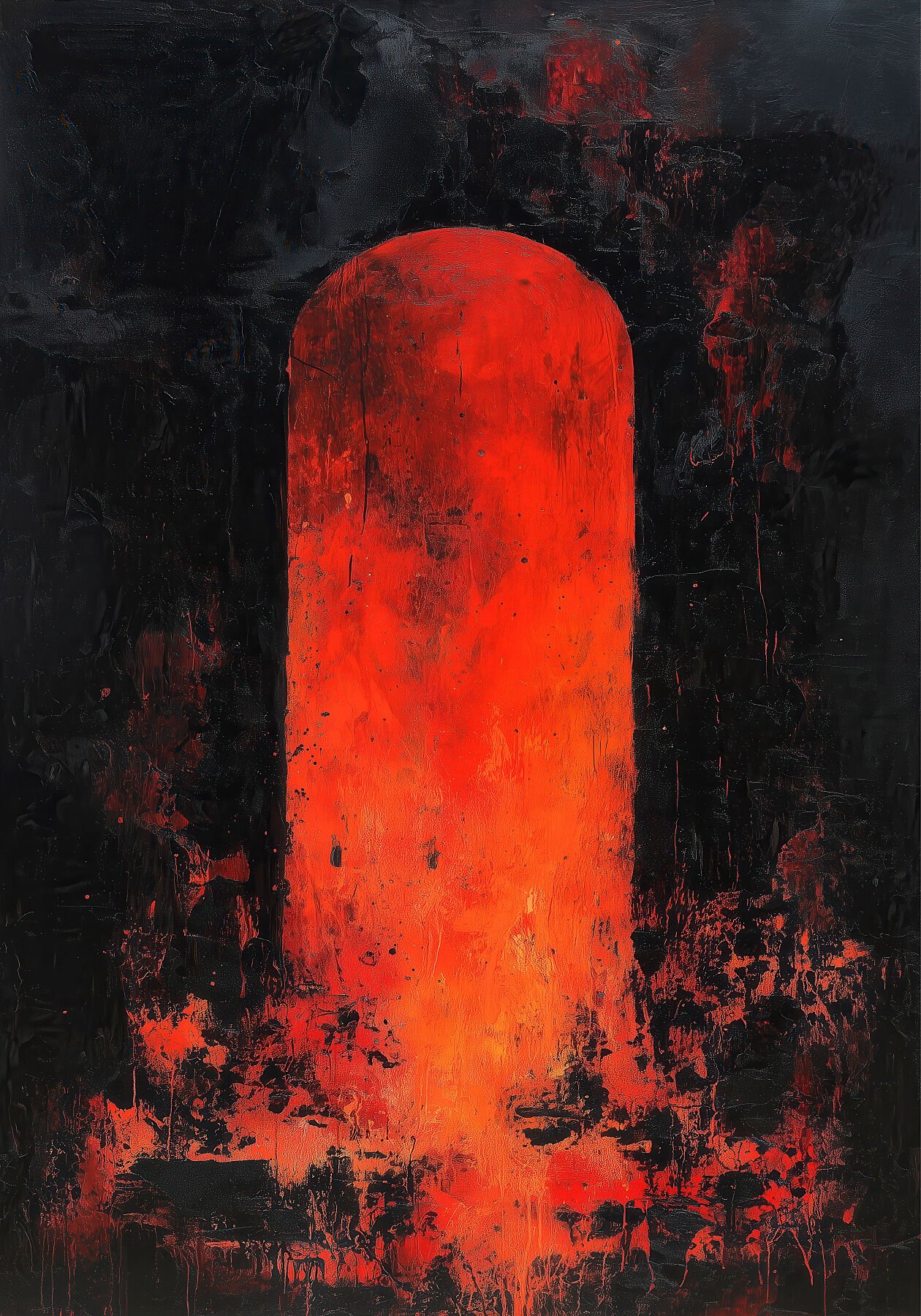
AGNI | ABYSSOS · Umbra Studio An arch of fire in absolute black
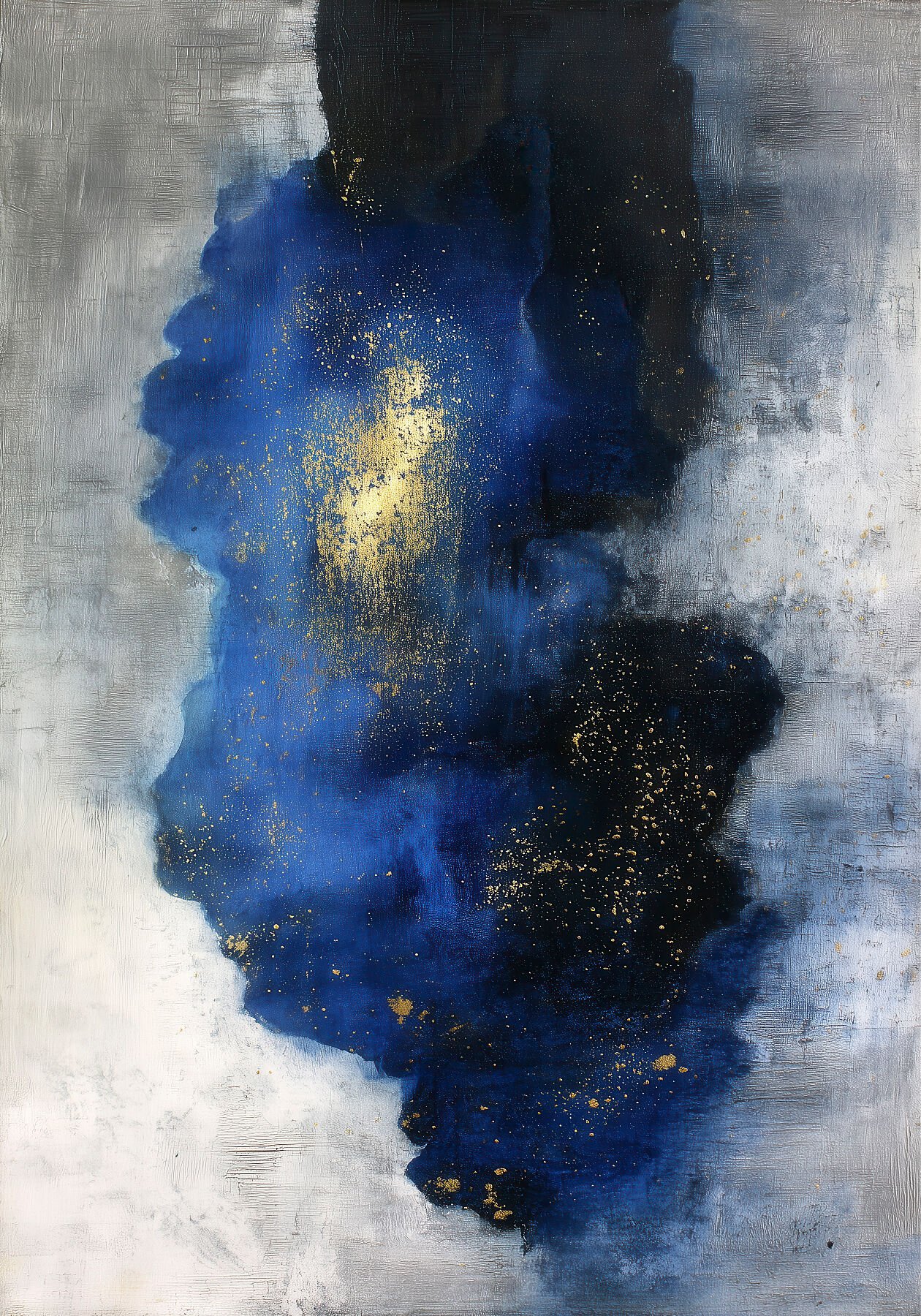
ANASTASIS | ABYSSOS · Umbra Studio The form born from the abyss: cobalt blue, titanium white, and gold.
RIMA | ABYSSOS · Umbra Studio arte expresionista abstracto para coleccionistas
9 Posters
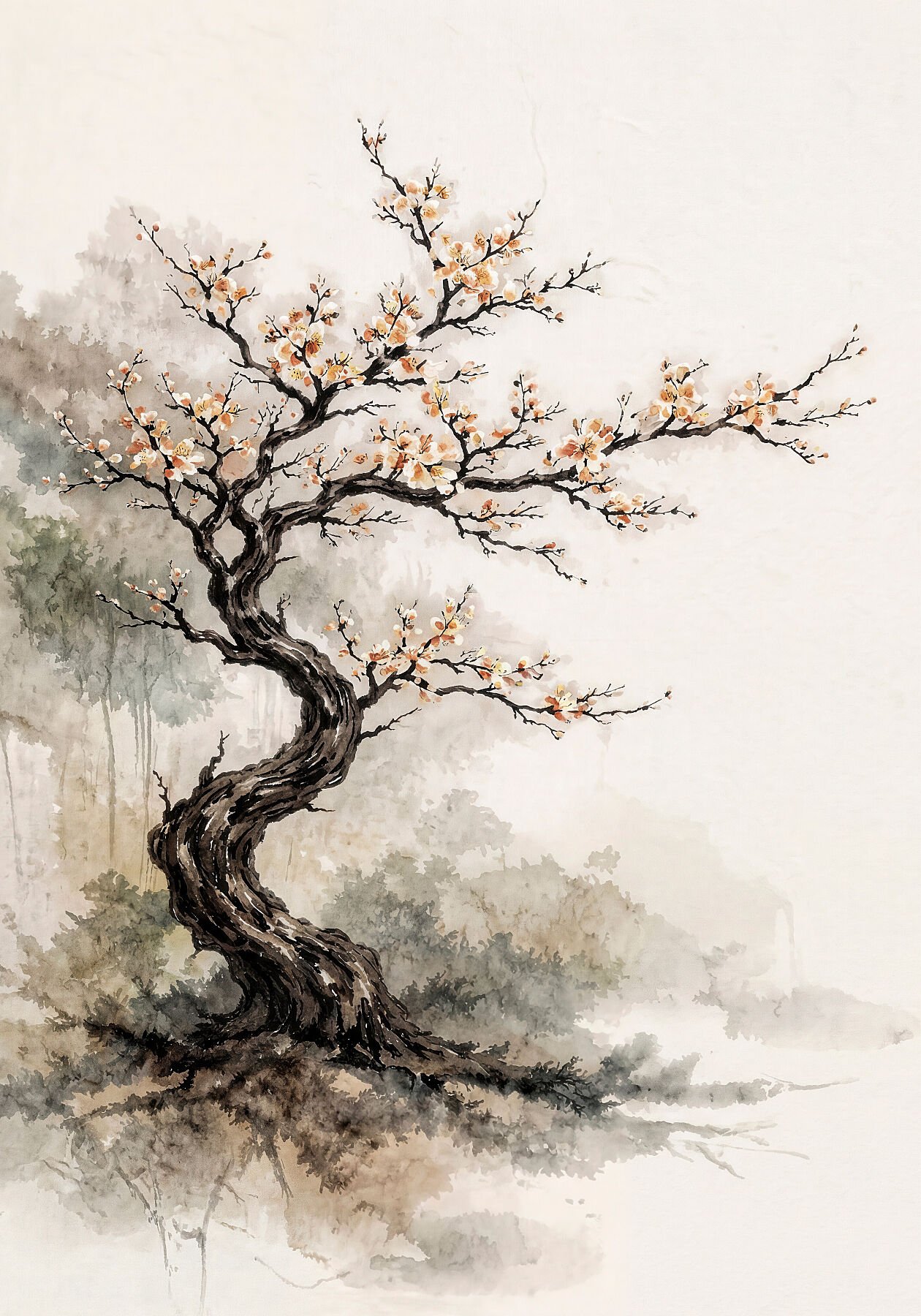
Prunus Mume — impresión giclée fine art, colección Bonsai, Umbra Studio
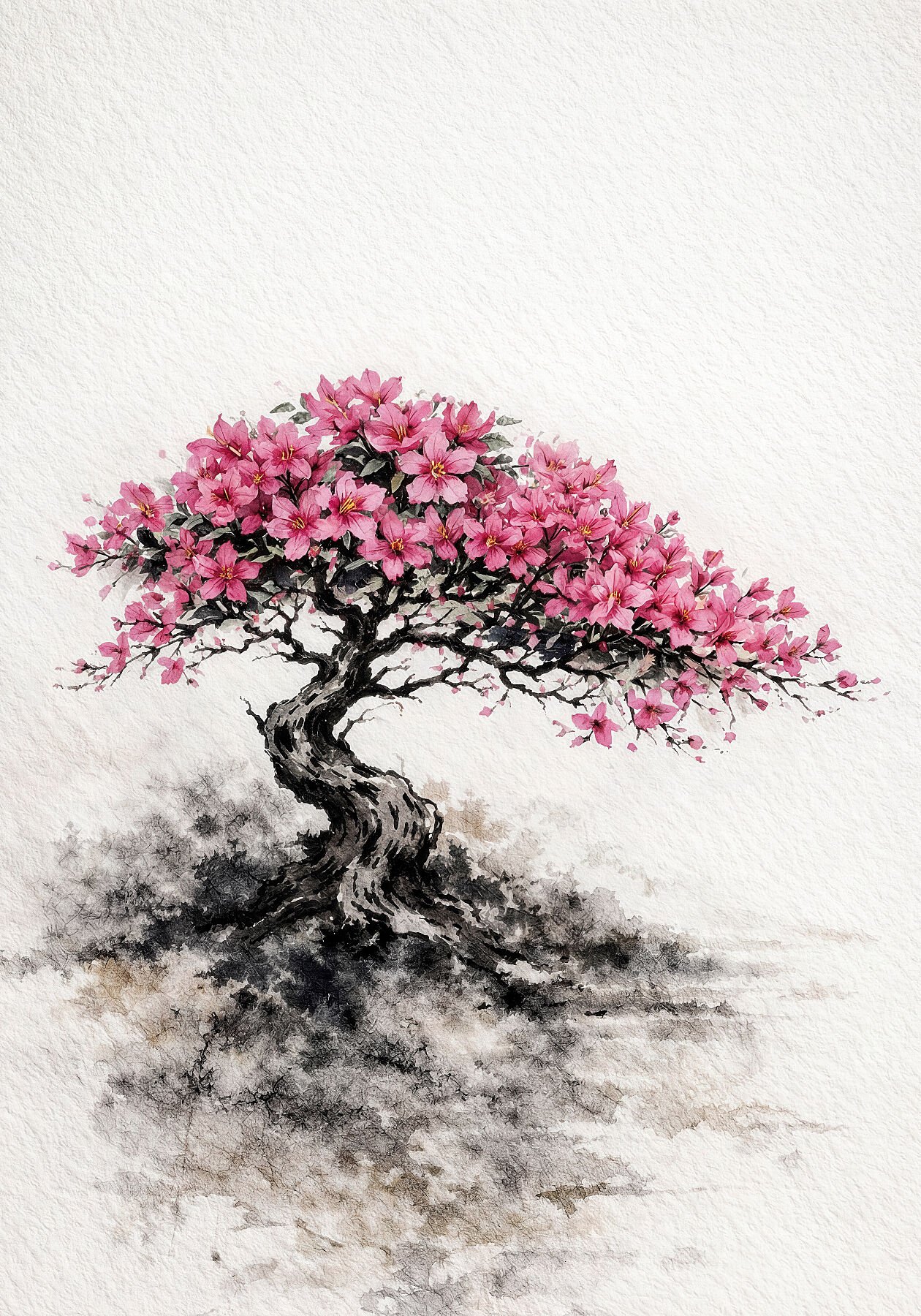
Azalea Satsuki — impresión giclée fine art, colección Bonsai, Umbra Studio
Ginkgo Biloba — impresión giclée fine art, colección Bonsai, Umbra Studio
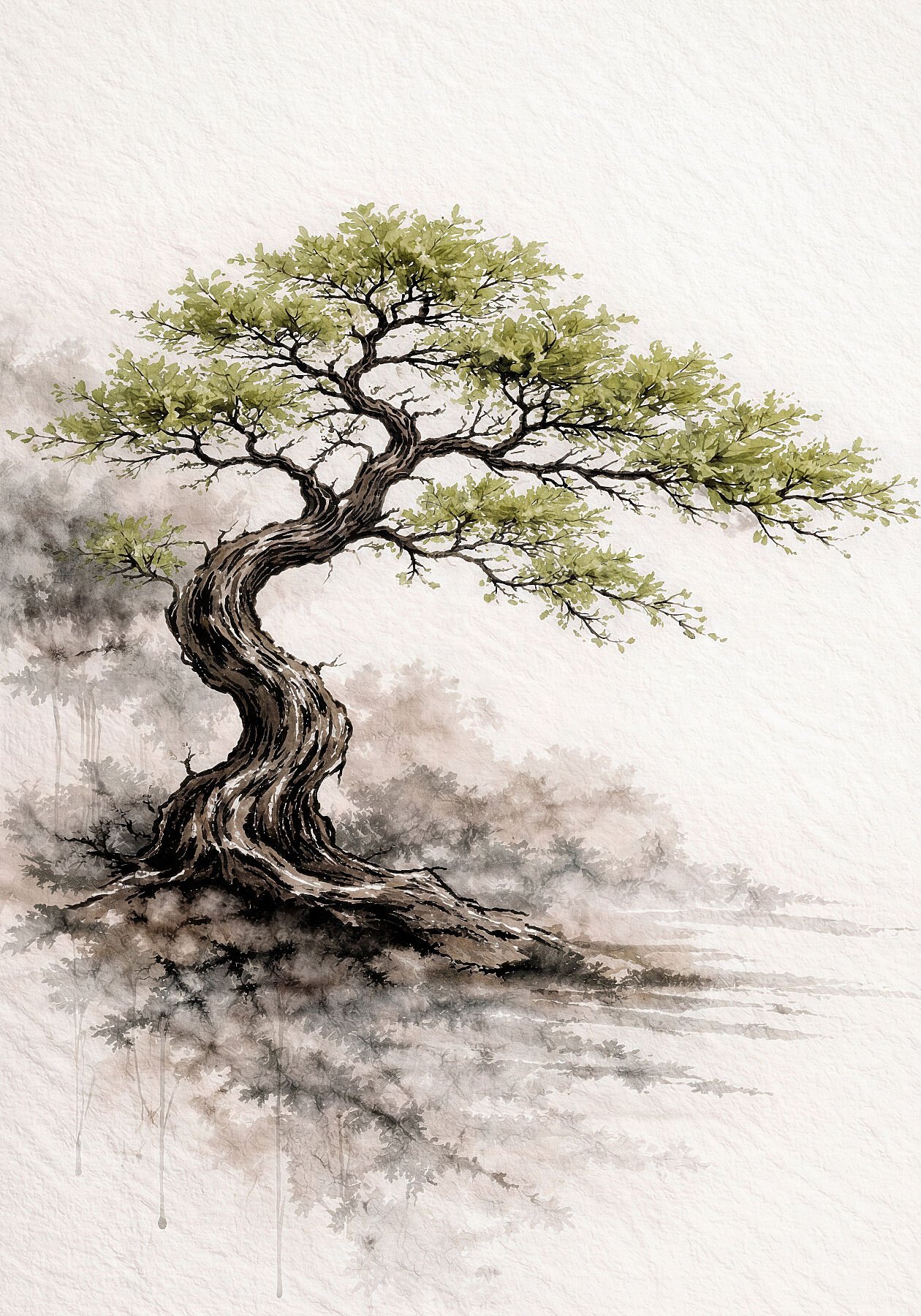
Ulmus Parvifolia — impresión giclée fine art, colección Bonsai, Umbra Studio
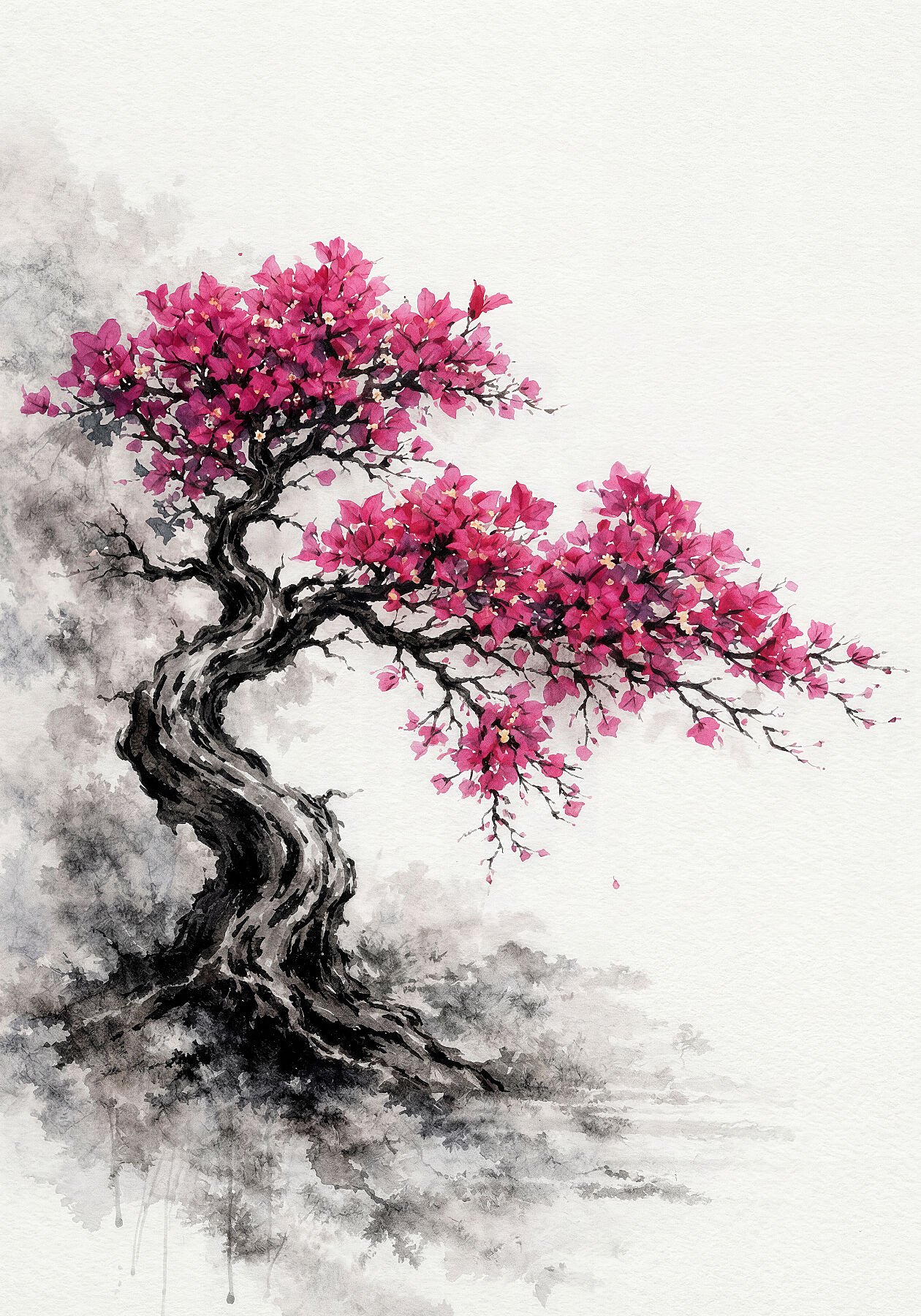
Bougainvillea — impresión giclée fine art, colección Bonsai, Umbra Studio
9 Posters
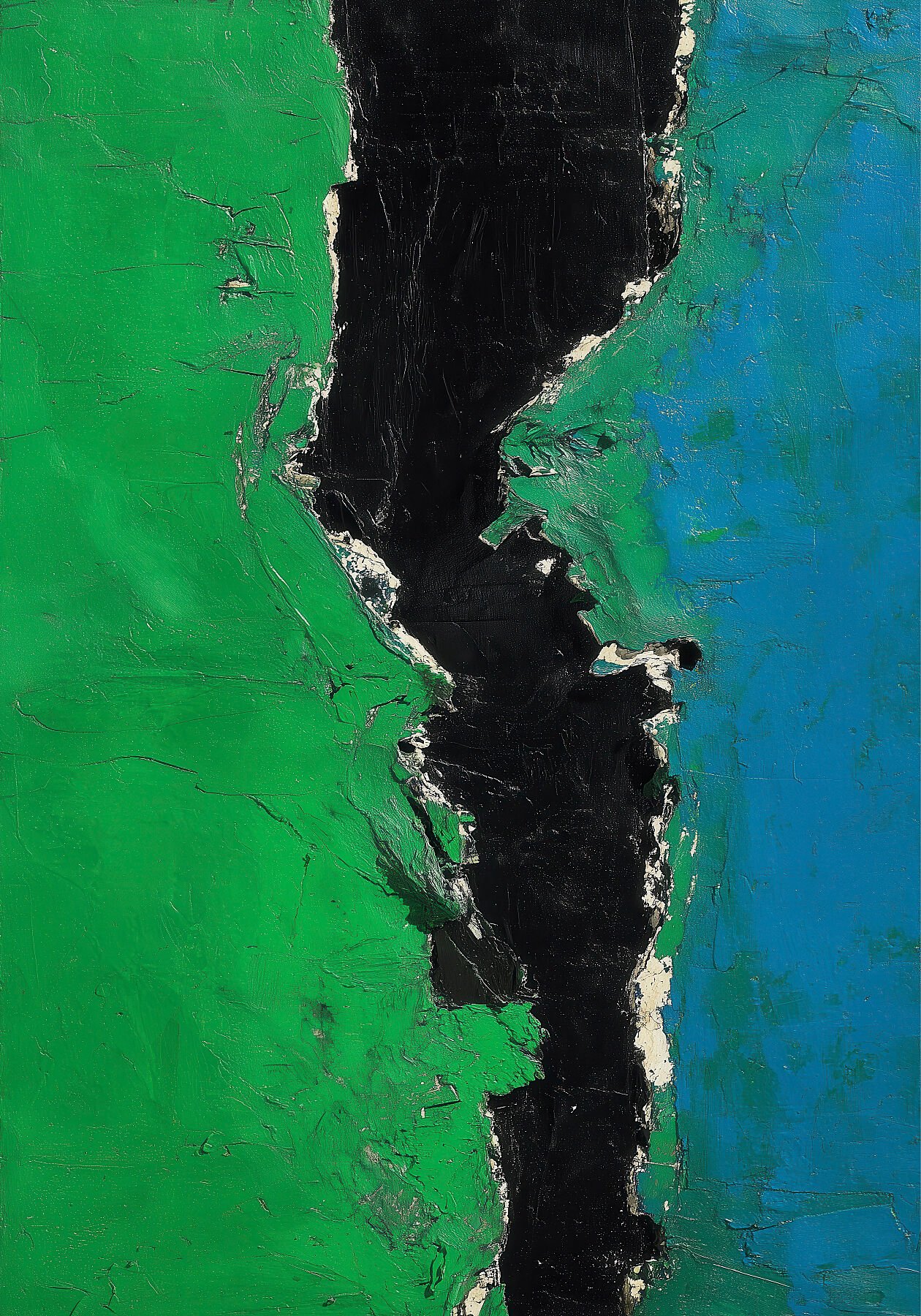
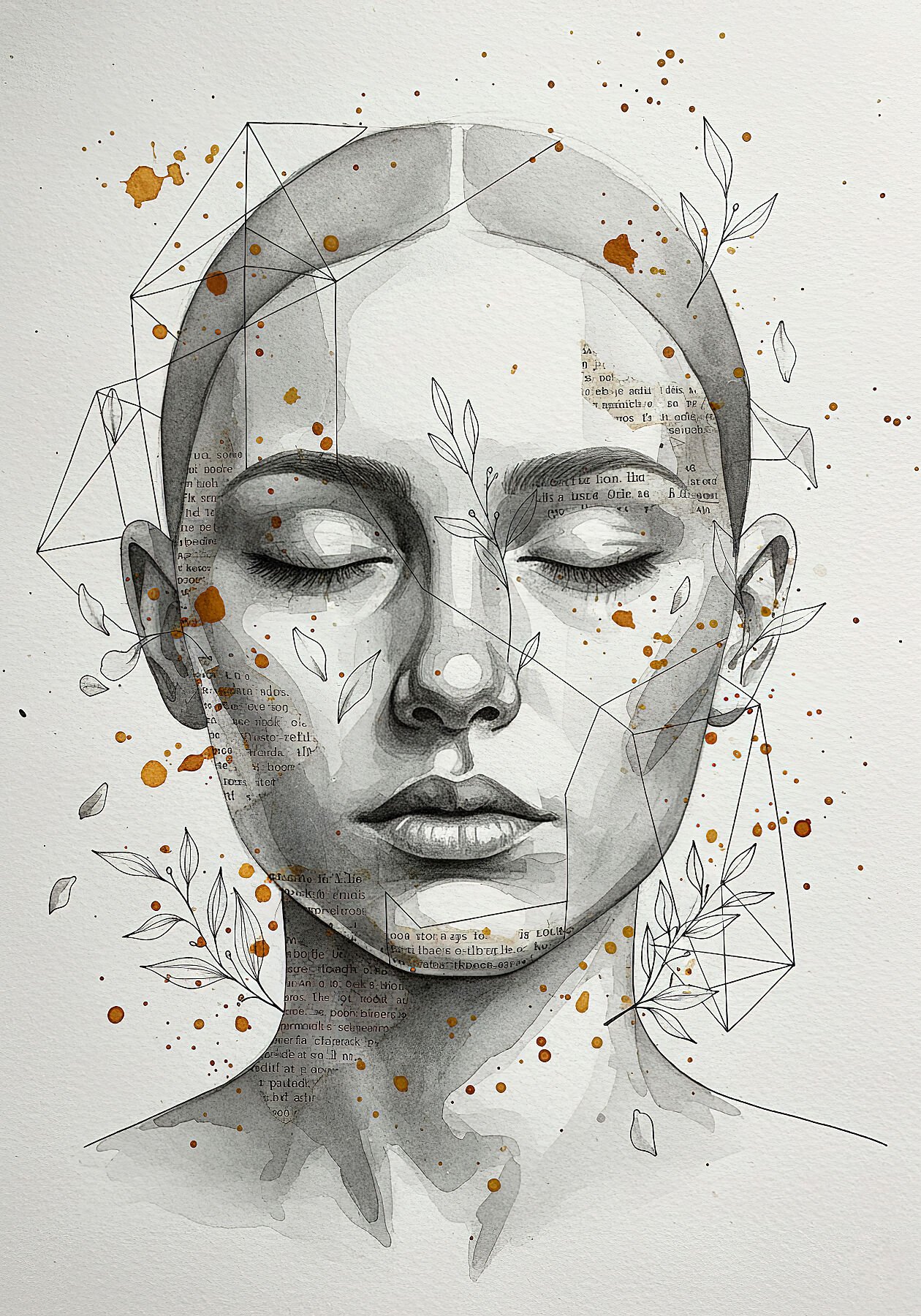
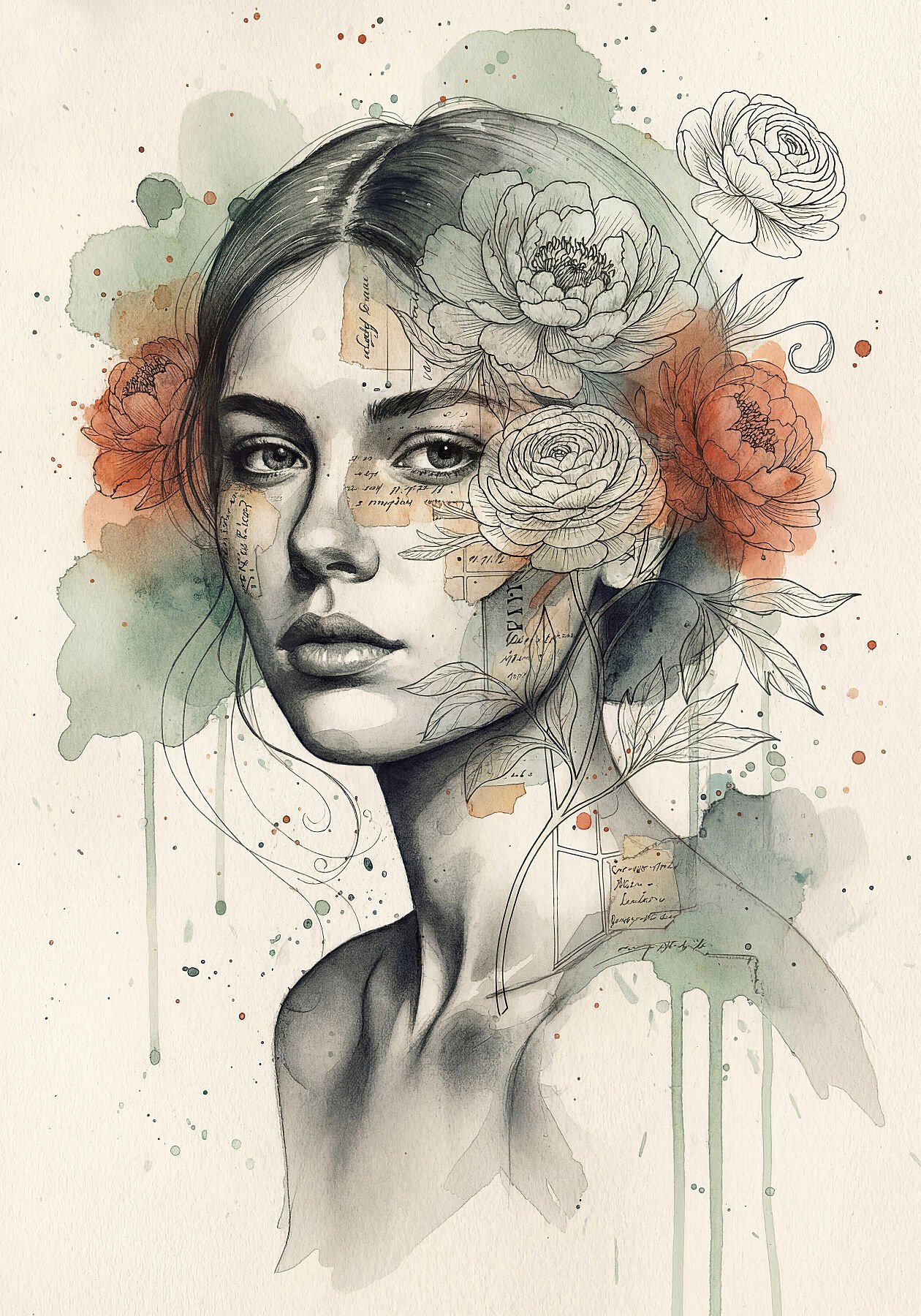
Ecos Bajo la Piel — Impresión Giclée Fine Art Edición Limitada | Umbra Studio
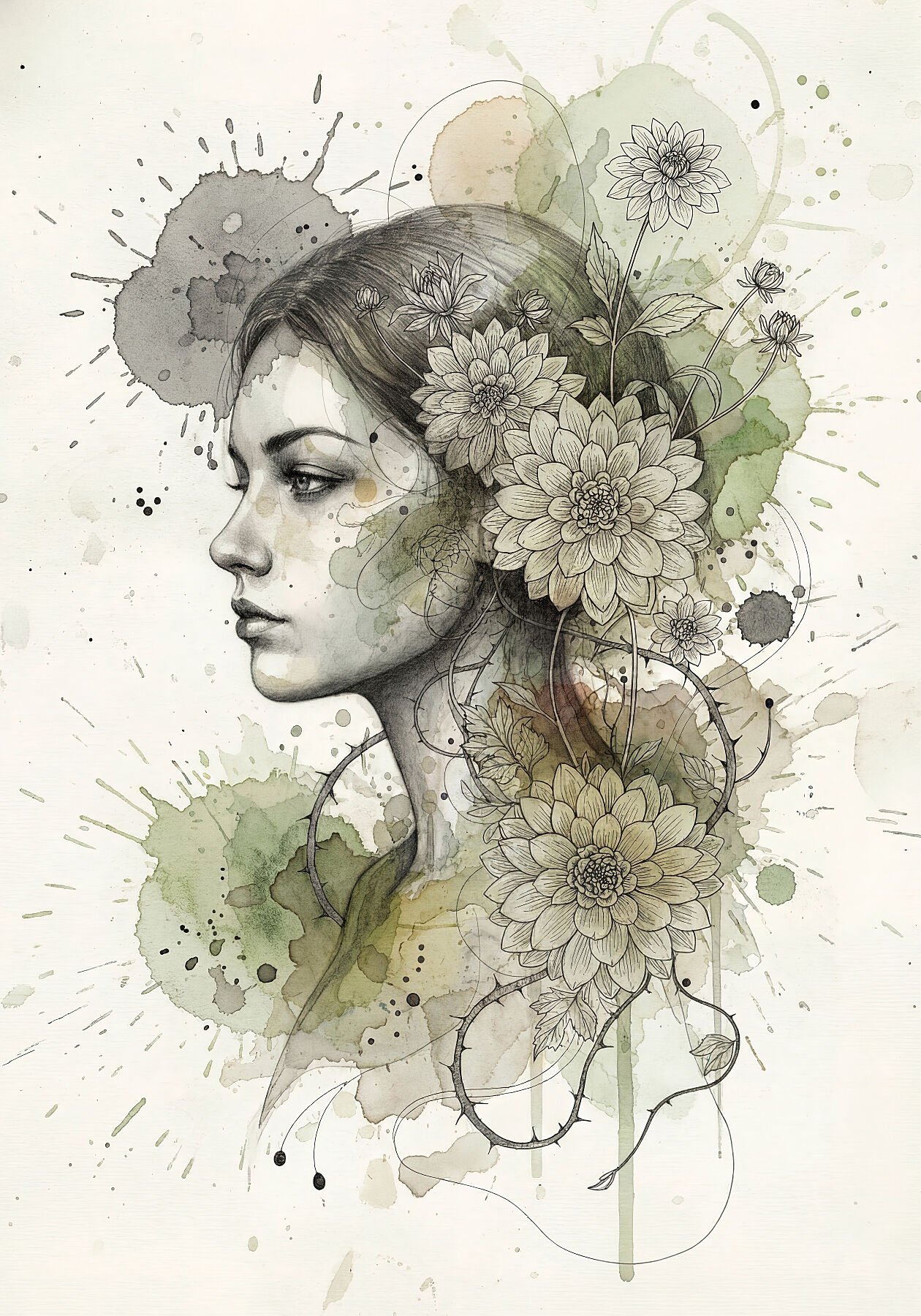
Topografía del Silencio — Impresión Giclée Fine Art Edición Limitada | Umbra Studio
4590c26f1bba4bd88510e7950f7a6967.jpg
44ff743146b449009adfd34c6b8331d4.jpg
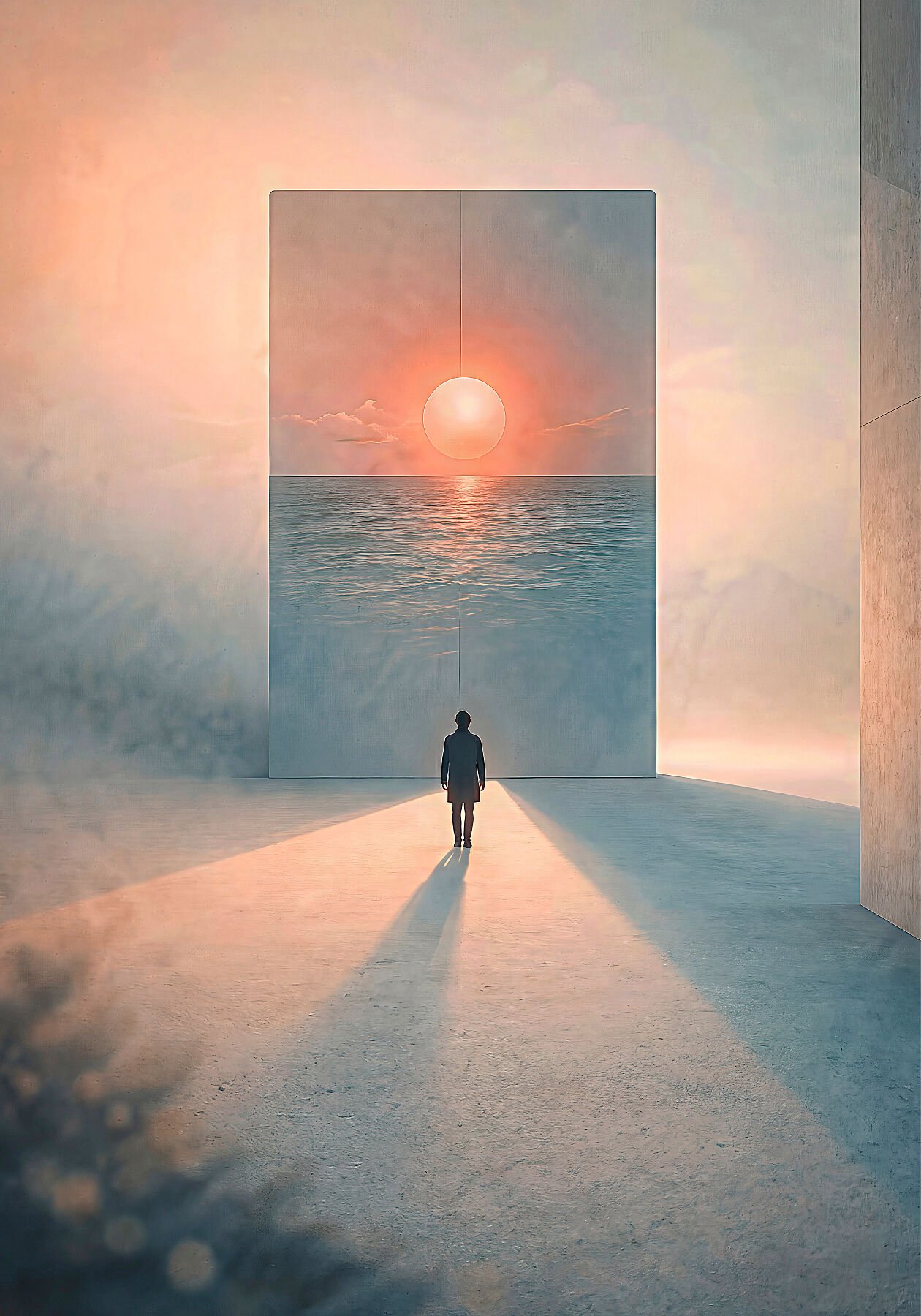
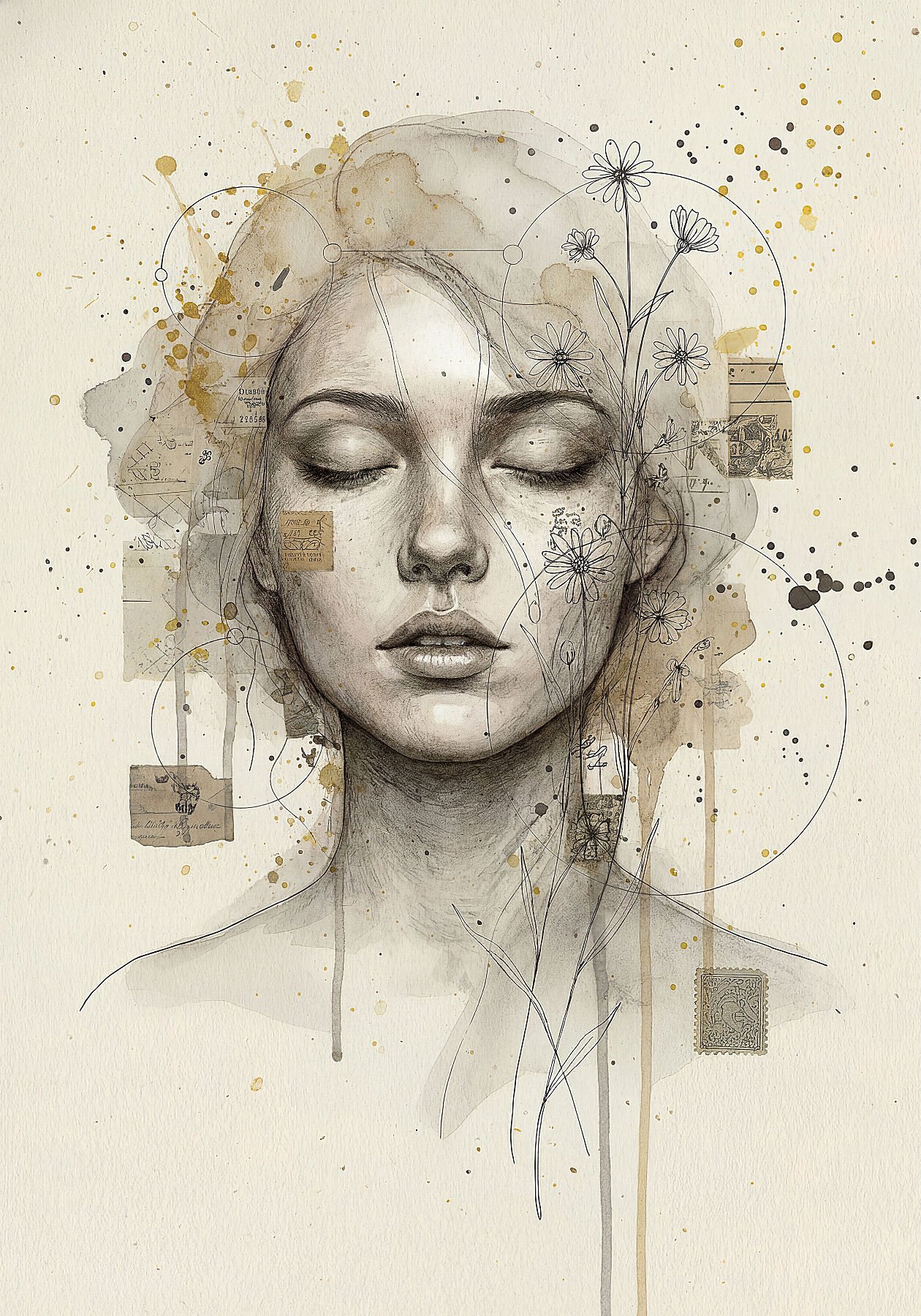
Memoria Atmosférica — Impresión Giclée Fine Art Edición Limitada | Umbra Studio
9 Posters
Argentum — contemporary art giclée print, Metamorphōsis collection, Umbra Studio
Aureus — contemporary art giclée print, Metamorphōsis collection, Umbra Studio
Primordium — contemporary art giclée print, Metamorphōsis collection, Umbra Studio
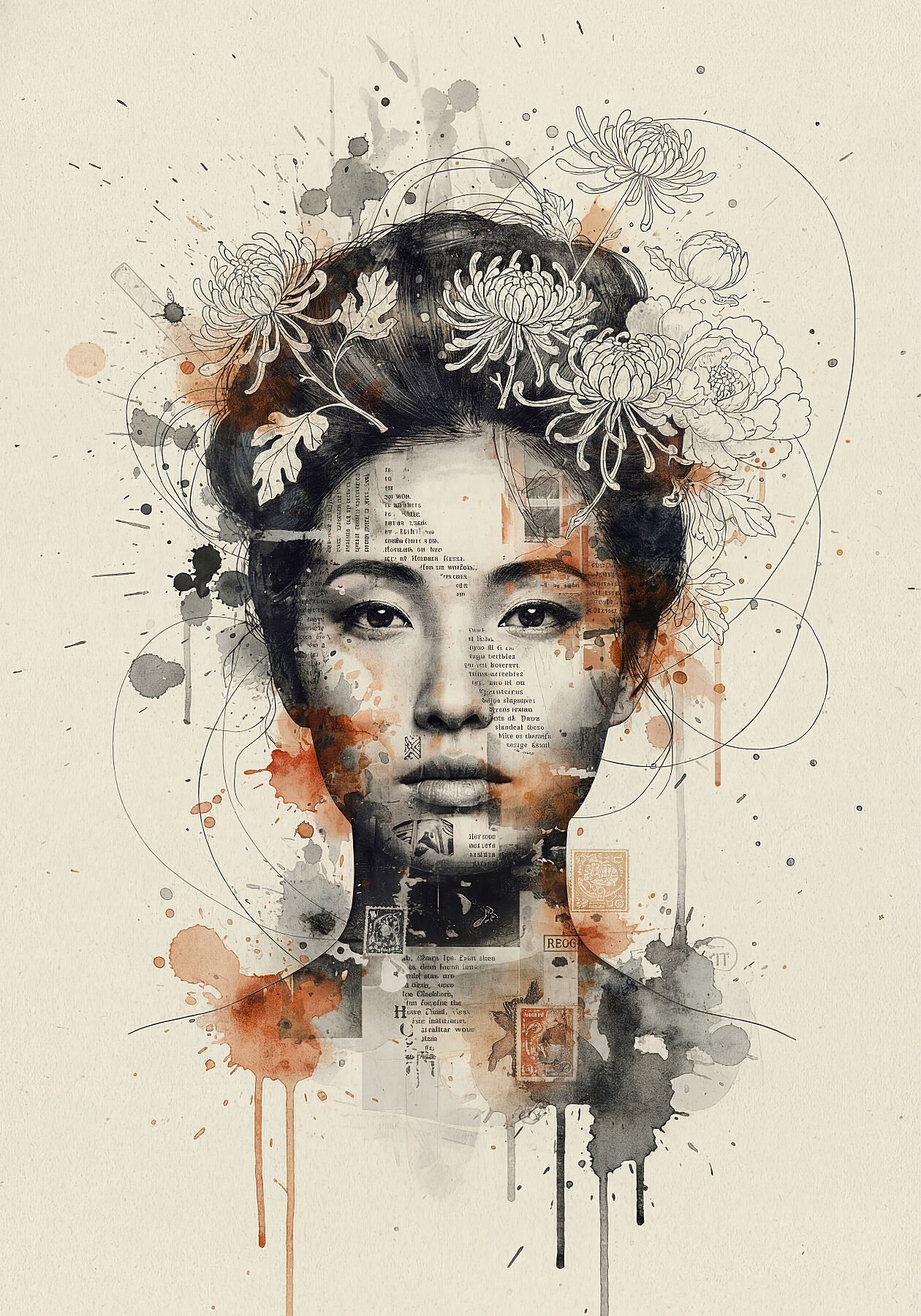
Regalis— contemporary art giclée print, Metamorphōsis collection, Umbra Studio
Ventus — contemporary art giclée print, Metamorphōsis collection, Umbra Studio
6 Posters
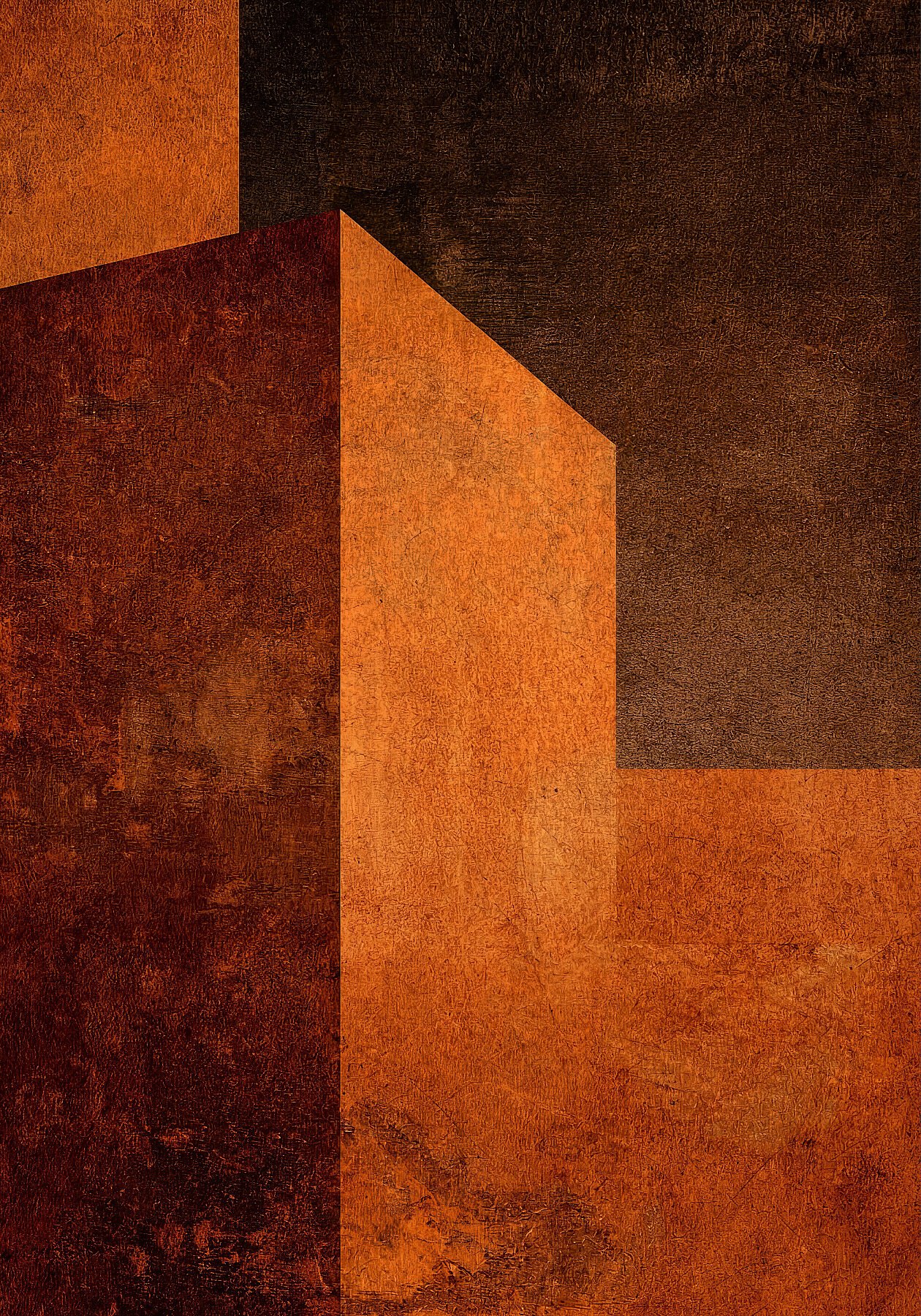
Geometric abstract work in deep ocher and mineral black. First piece of the STOA collection. Giclée fine art, edition of 9. Umbra Studio.
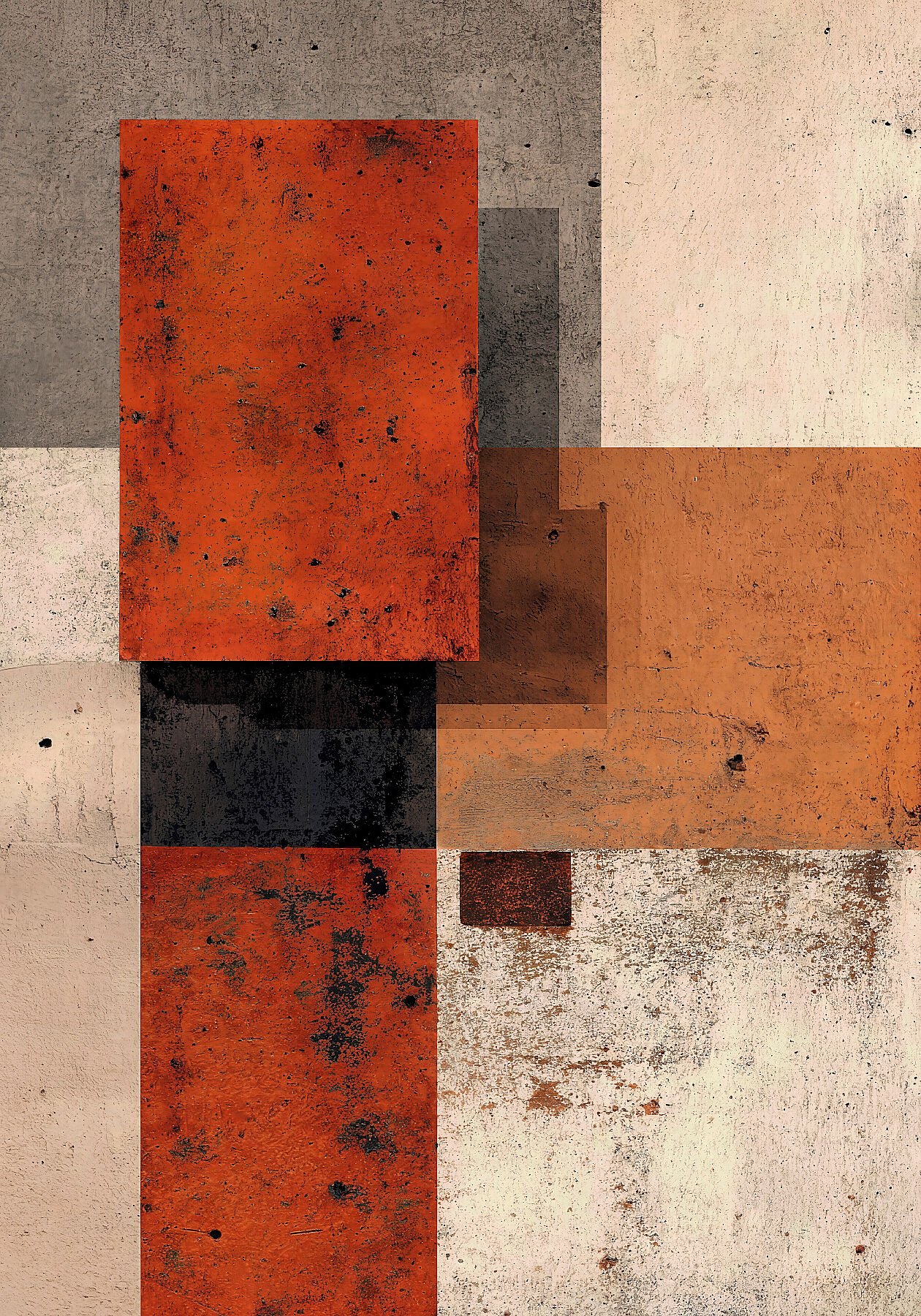
Geometric abstract art in terracotta and sienna. A plane that divides and defines. STOA Collection, edition of 9. Giclée fine art Umbra Studio.
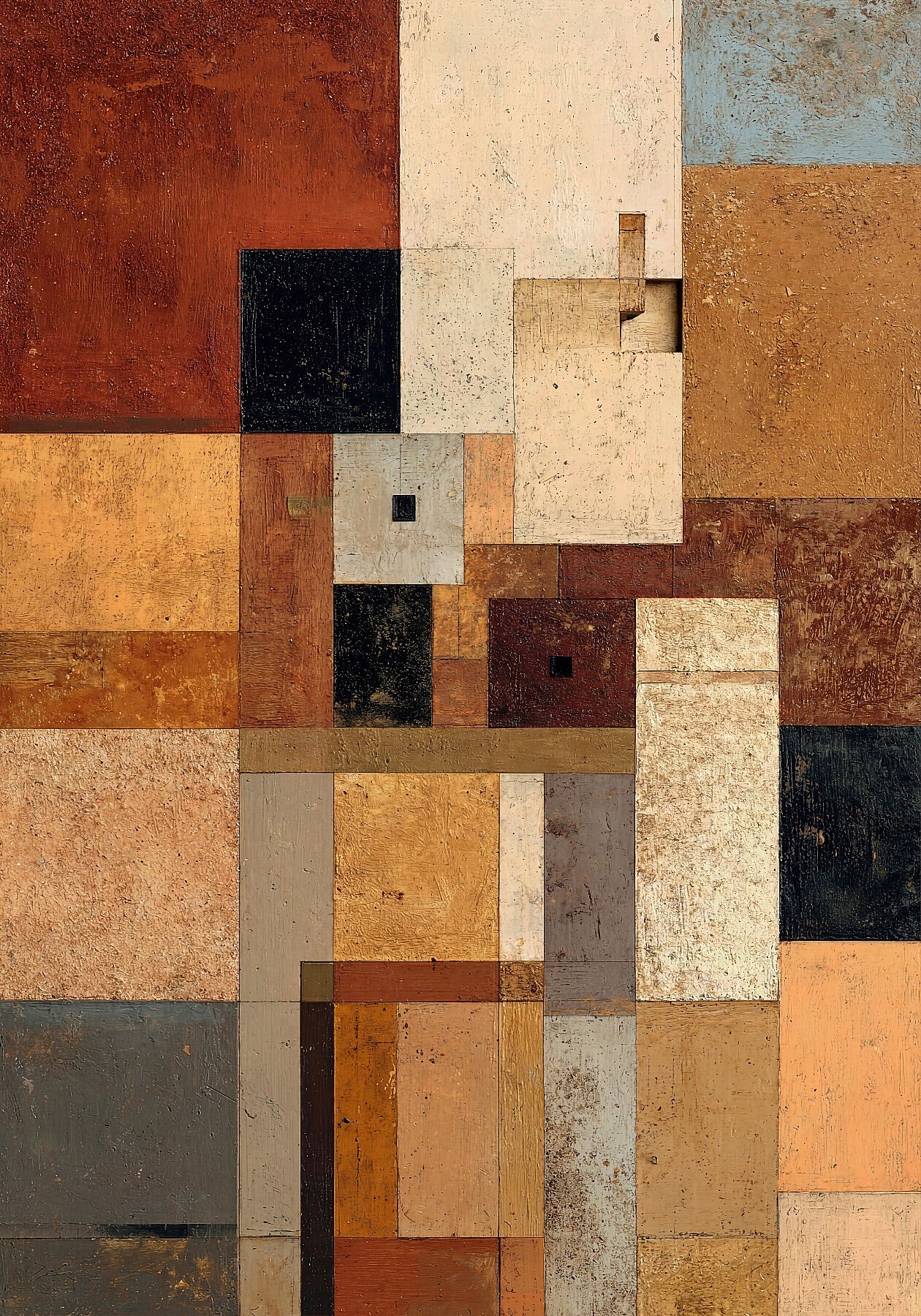
Geometric abstract composition with aged ocher and sienna planes. STOA Collection, Umbra Studio. Limited edition of 9. Giclée fine art.
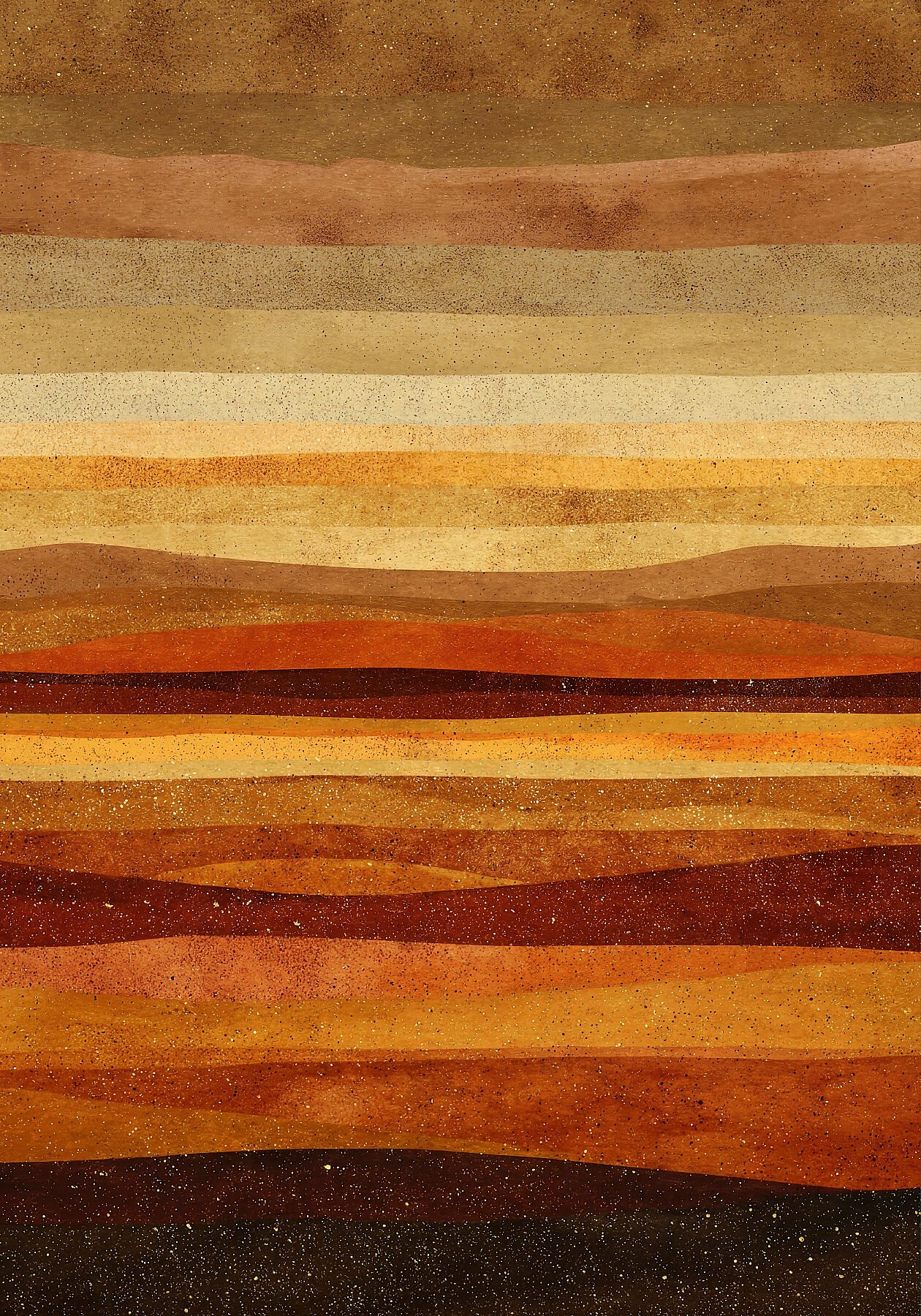
Abstract art stratified in sienna, ocher and matte gold. Stoa Collection. Edition of 9 giclée fine art about Hahnemühle. Umbra Studio.
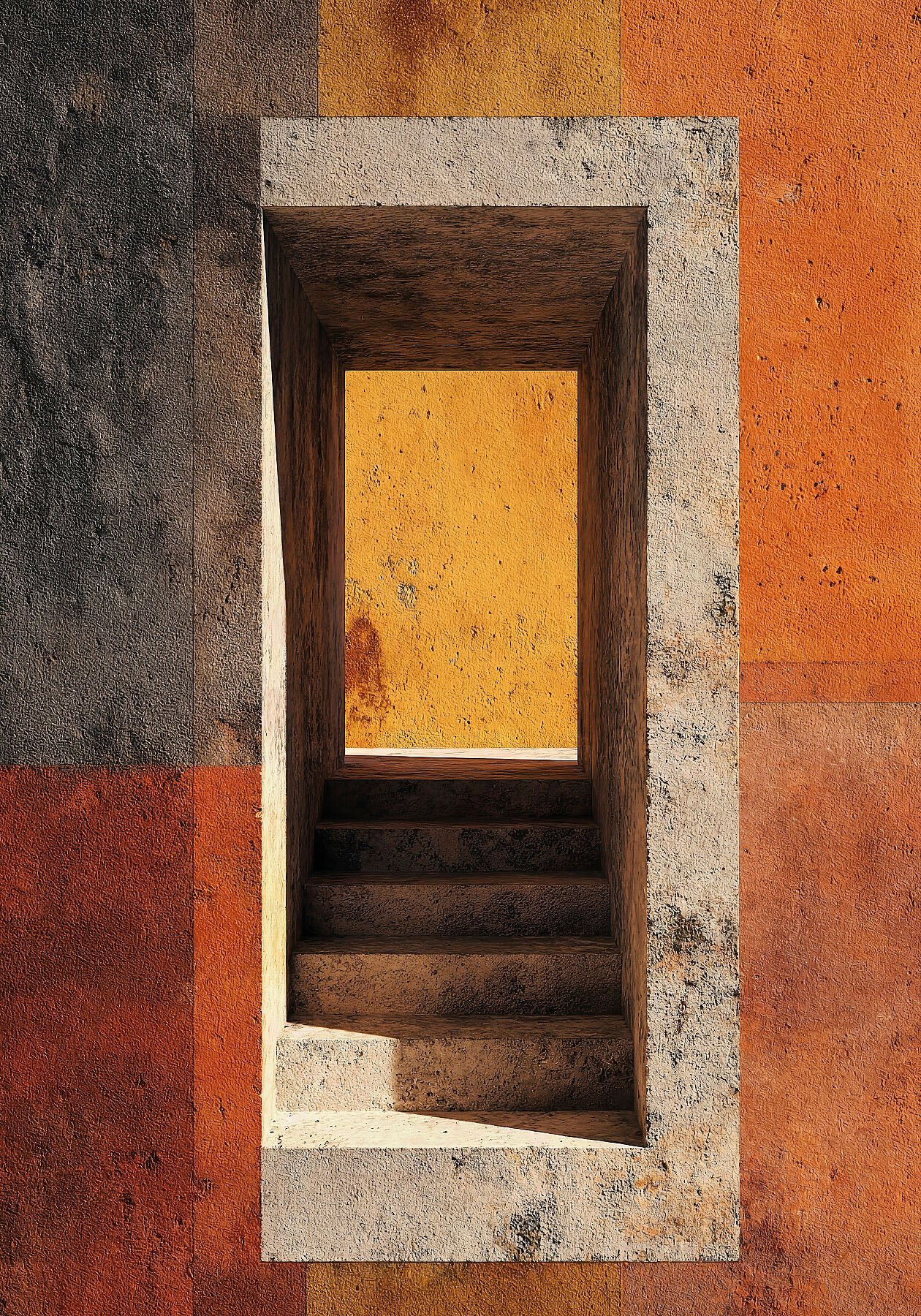
Abstract art with geometric opening in ocher and warm shadow. Center of the STOA collection. Edition of 9. Giclée fine art Umbra Studio.
9 Posters
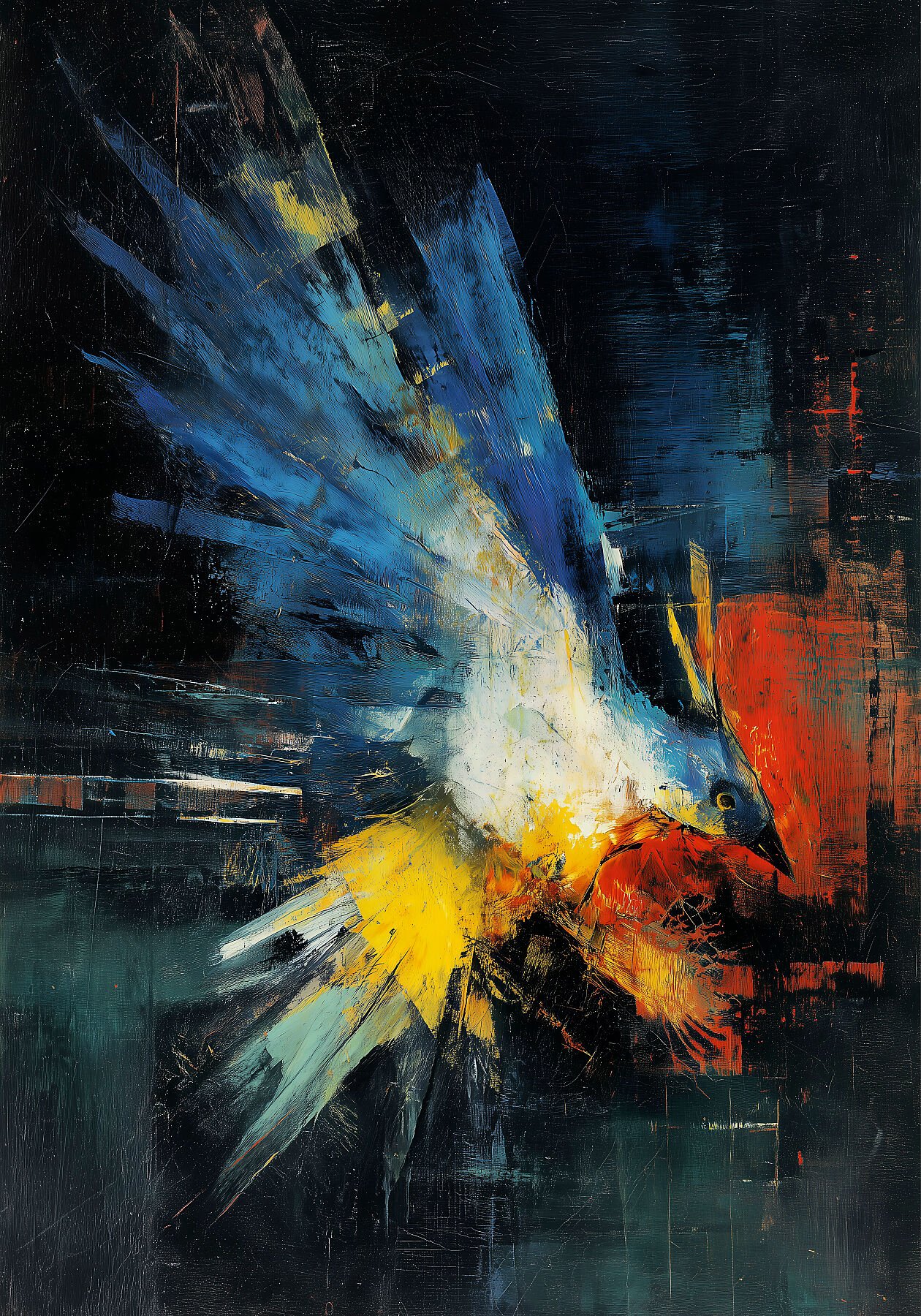
Expressionist painting of bird in explosion of light with diagonal brushstrokes in blue and yellow on dark background — Ignition, PULSO Collection · Umbra Studio
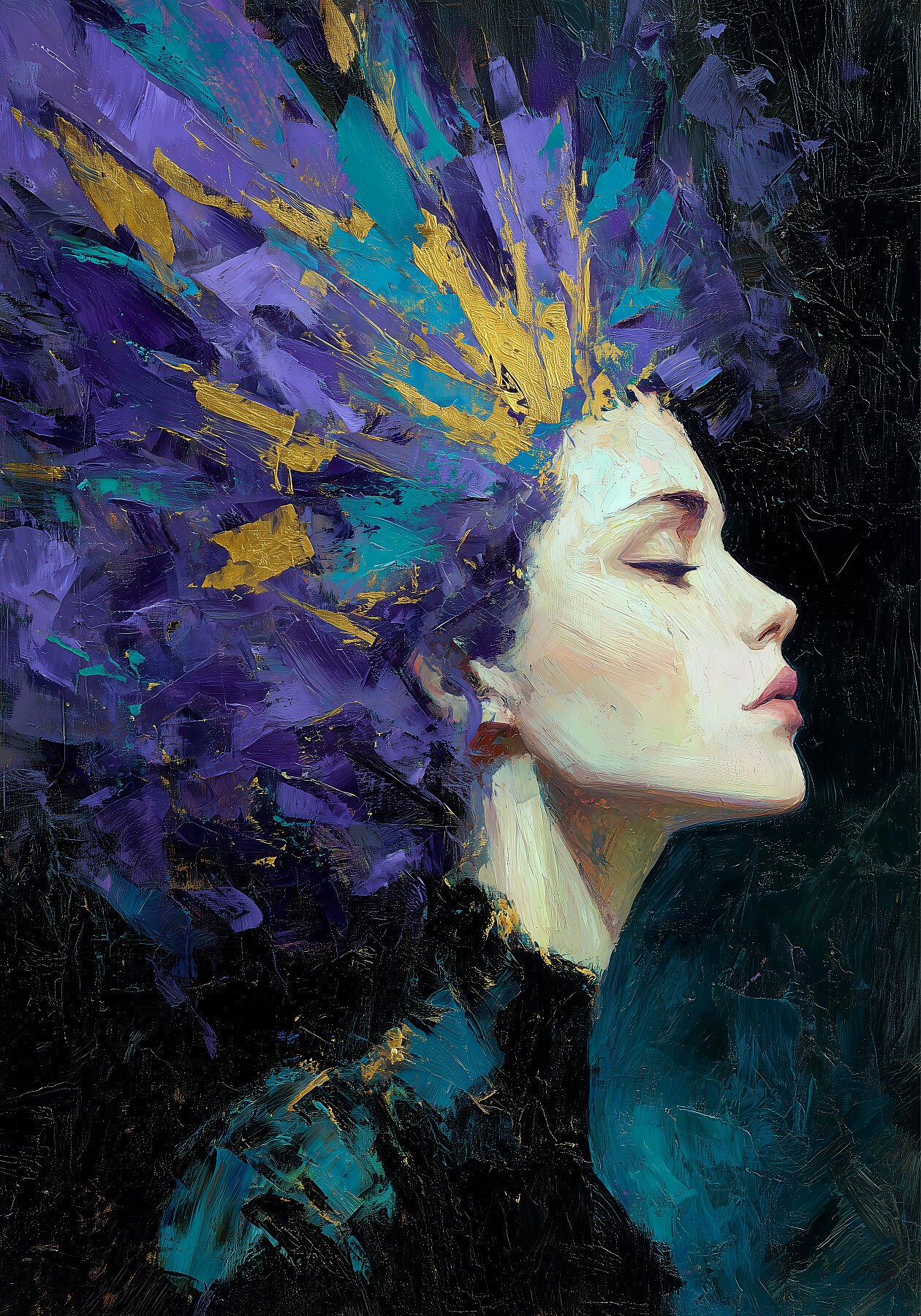
Retrato expresionista femenino de perfil con corona de pinceladas en violeta y oro sobre fondo oscuro — Oráculo, Colección PULSO · Umbra Studio
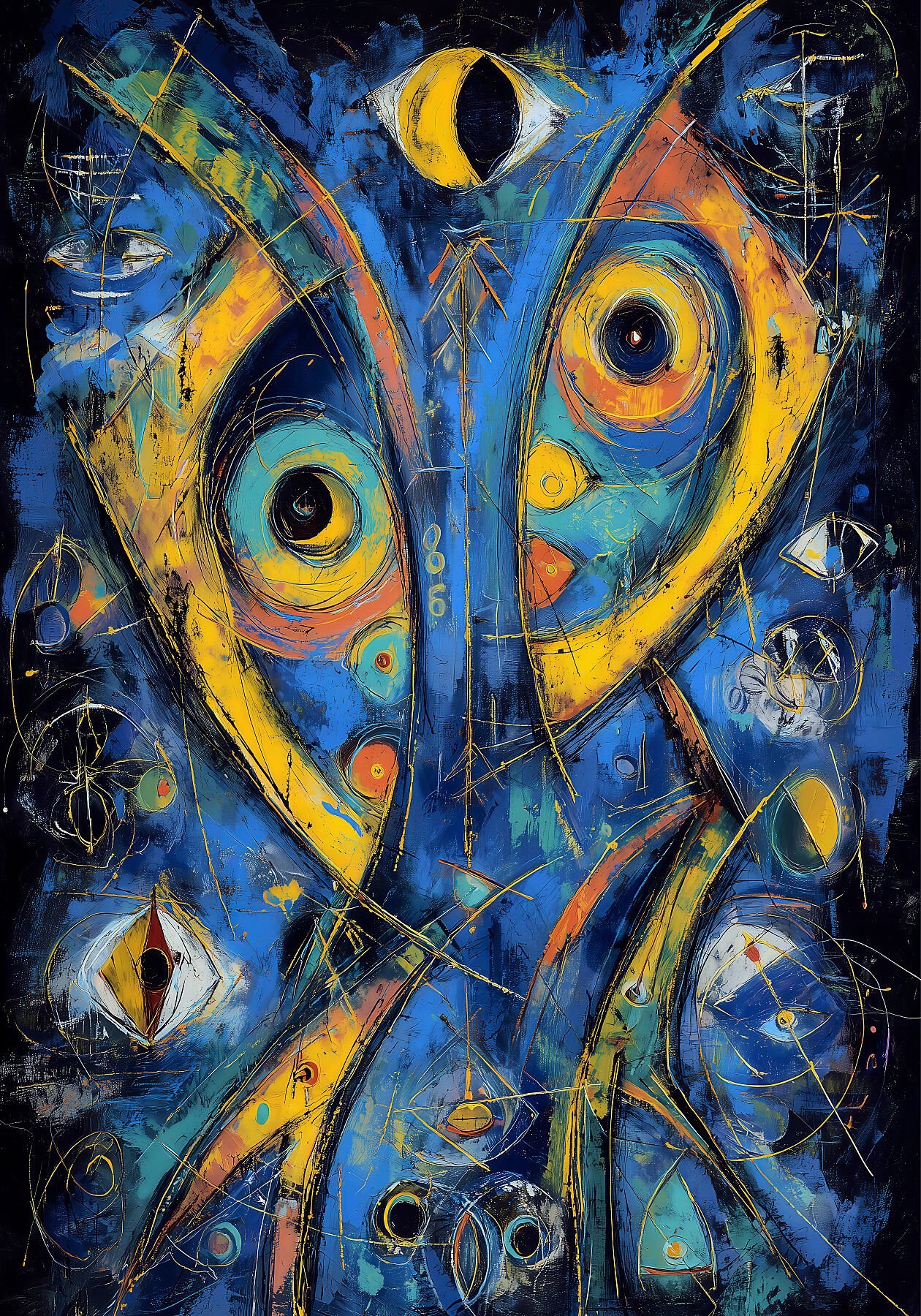
Abstract expressionist painting with multiple eye motifs in blue and yellow on black background — Sentinel, PULSO Collection · Umbra Studio
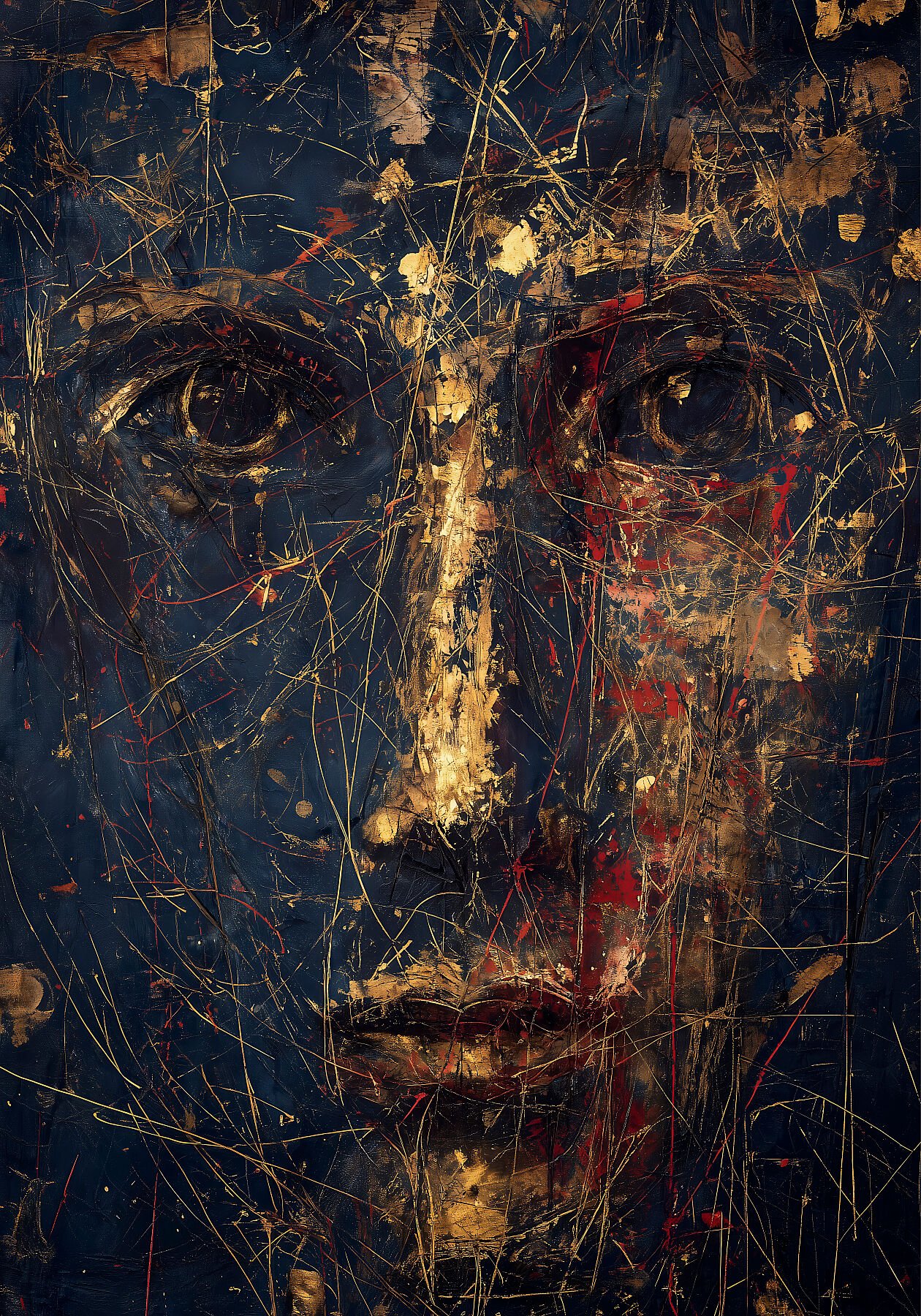
Expressionist portrait of face on dark blue background with overlay of gold and red lines — Cartography, PULSO Collection · Umbra Studio
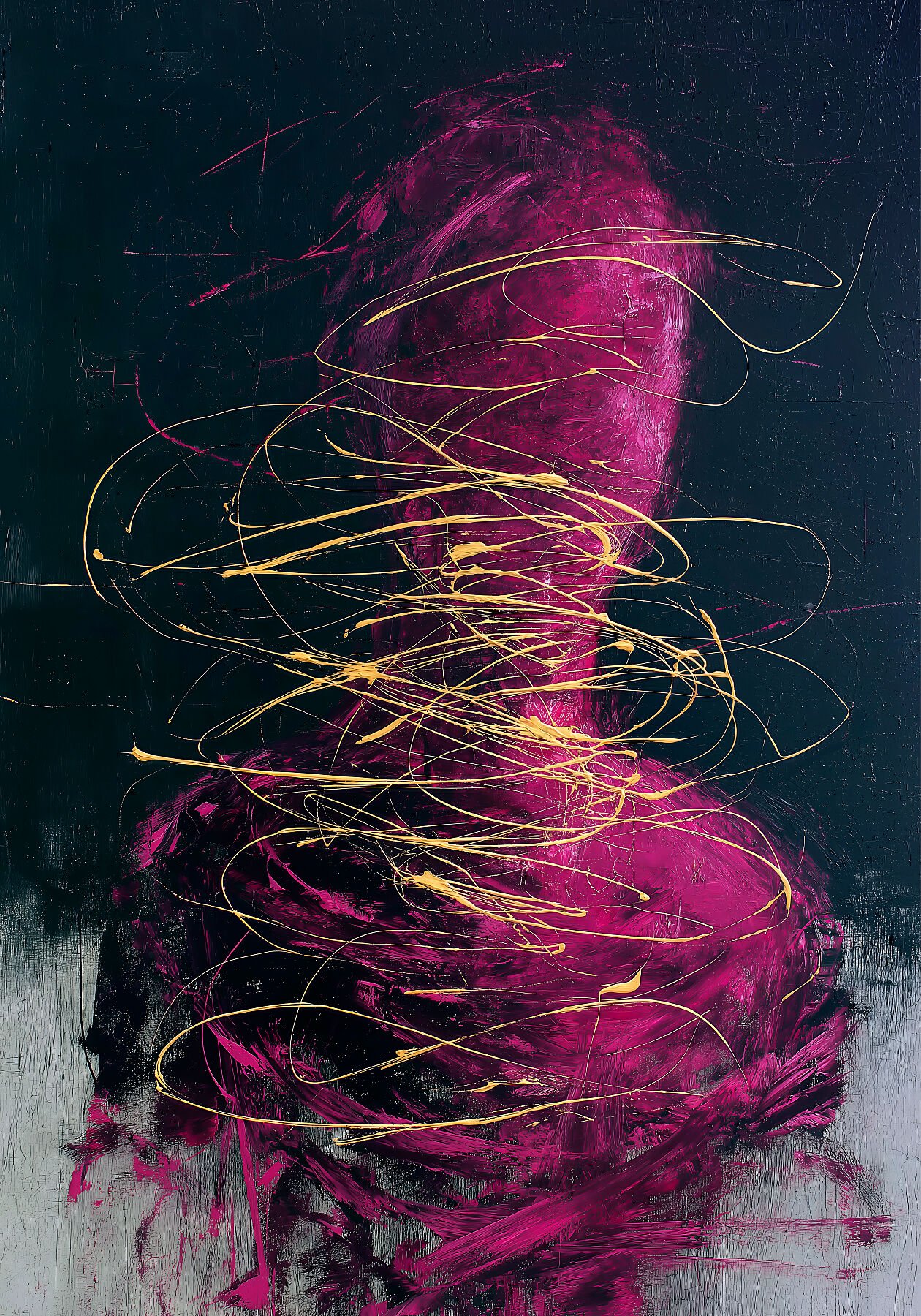
Pintura expresionista abstracta con forma orgánica en magenta y espirales de oro sobre fondo negro — Vórtice, Colección PULSO · Umbra Studio
6 Posters
error: Contenido protegido · Protected content — orders@umbrastudio.art
Shopping cart close